英语各种时态时间状语最全总结,从此做动词填空不愁了
以下是英语时态常见的时间状语总结:
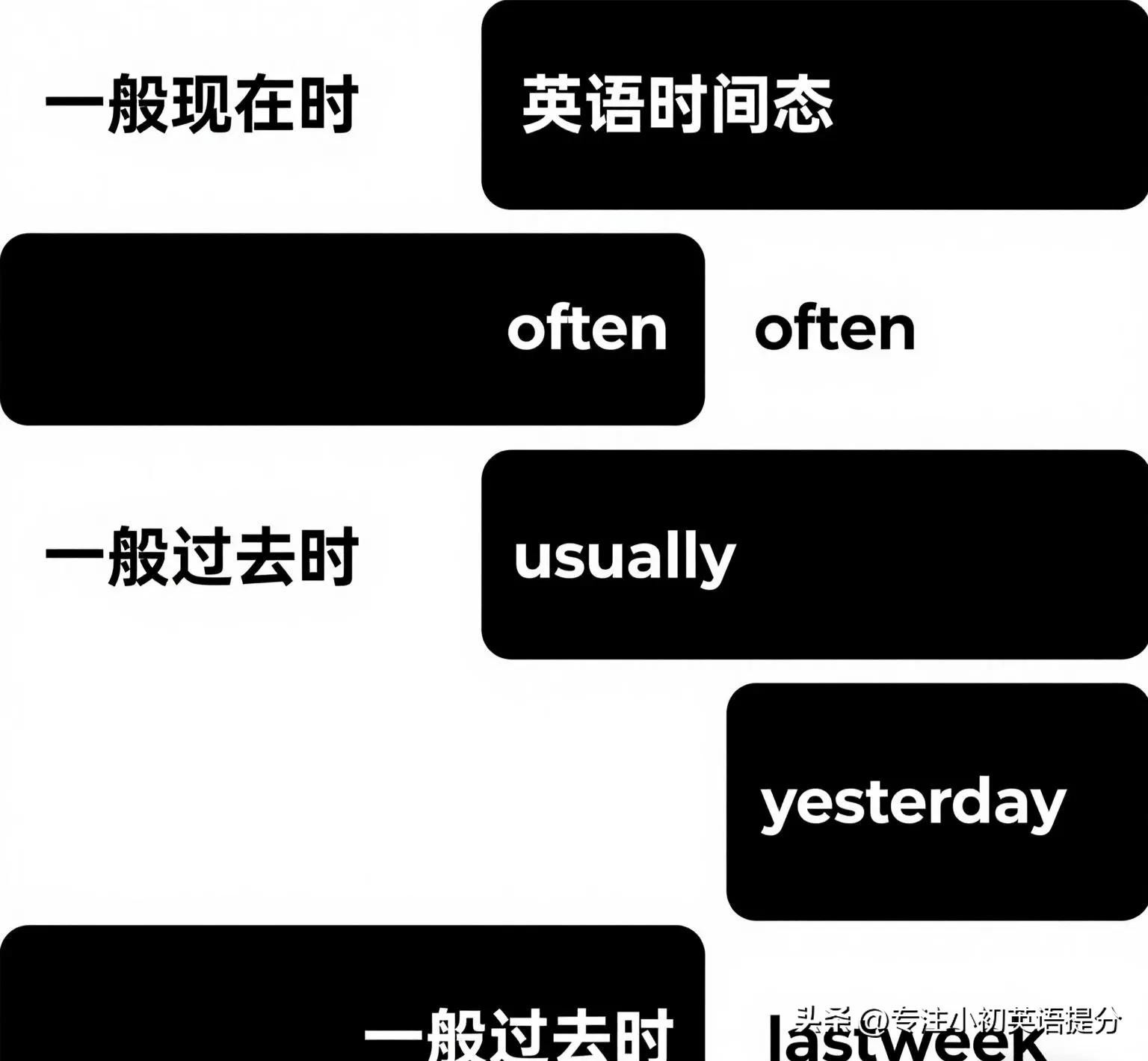
一般现在时
- often:经常,表示动作发生的频率高。
如:I often go to school by bike.(我经常骑自行车去上学。)
- usually:通常,强调习惯性的动作或状态。
如:She usually gets up at six.(她通常六点起床。)
- always:总是,一直,动作的频率为100%。
如:He always helps others.(他总是帮助别人。)
- sometimes:有时,频率介于经常和偶尔之间。
如:We sometimes go to the park.(我们有时去公园。)
every day/week/month/year:每天/每周/每月/每年,用于描述有规律的动作。
如:He reads books every day.(他每天读书。)
一般过去时
- yesterday:昨天,明确表示过去的时间。
如:I went to the cinema yesterday.(我昨天去看电影了。)
- last week/month/year:上周/上个月/去年。
如:She visited her grandparents last month.(她上个月去看望了她的祖父母。)
- ago:……以前,常与一段时间连用。
如:He left here three days ago.(他三天前离开了这里。)
- in 2022:在2022年,具体的过去年份。
如:They moved to Beijing in 2022.(他们在2022年搬到了北京。)
一般将来时
- tomorrow:明天,表示将来的时间。
如:I will go shopping tomorrow.(我明天要去购物。)
- next week/month/year:下周/下个月/明年。
如:He is going to travel next year.(他打算明年去旅行。)
- in the future:在未来,泛指将来的时间。
如:People will live on other planets in the future.(未来人们将生活在其他星球上。)
- soon:不久,很快,强调时间间隔短。
如:The bus will come soon.(公交车很快就会来。)

现在进行时
- now:现在,此时此刻。
如:He is reading a book now.(他现在正在读一本书。)
- at the moment:此刻,现在。
如:She is watching TV at the moment.(她此刻正在看电视。)
- look/listen:看/听,提醒对方注意正在发生的动作。
如:Look! The children are playing games.(看!孩子们正在玩游戏。)
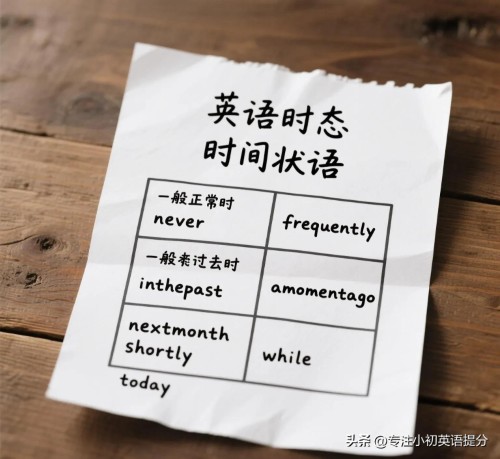
过去进行时
- at this time yesterday:昨天这个时候。
如:I was doing my homework at this time yesterday.(昨天这个时候我正在做作业。)
- from 8 to 9 last night:昨晚从8点到9点。
如:He was watching a movie from 8 to 9 last night.(昨晚从8点到9点他正在看电影。)

现在完成时
- already:已经,用于肯定句。如:I have already finished my work.(我已经完成了我的工作。)
- yet:还,已经,用于否定句和疑问句。
如:Has she come back yet?(她回来了吗?)
- just:刚刚,刚才。
如:He has just left.(他刚刚离开。)
- ever:曾经。
如:Have you ever been to Paris?(你曾经去过巴黎吗?)
- never:从不。
如:I have never seen such a beautiful flower.(我从未见过如此美丽的花。)
- for+时间段:表示动作持续的时间。
如:He has lived here for ten years.(他已经在这里住了十年了。)
- since+时间点:自从……以来。
如:She has been ill since last Monday.(她从上周一开始就生病了。)
过去完成时
- by the end of last year/month/week:到去年/上个月/上周末为止。
如:By the end of last year, we had learned 2,000 English words.(到去年年底,我们已经学了2000个英语单词。)
- before:在……之前,强调在过去某个时间之前已经完成的动作。
如:He had left before I arrived.(在我到达之前他已经离开了。)
